How Clogged or Damaged Gutters Can Affect Drainage Around Homes in the Belleview Area
Around Belleview, drainage problems rarely start with one dramatic event. More often, they build quietly. A summer thunderstorm rolls through, the roof sheds a heavy sheet of water, and the gutters are supposed to move that runoff away from the house. When they do not, the signs show up in places homeowners do not always connect right away: muddy flower beds near the foundation, stained fascia, damp soil that stays soft long after the rain ends, or mulch washed out of the same corner of the yard again and again.
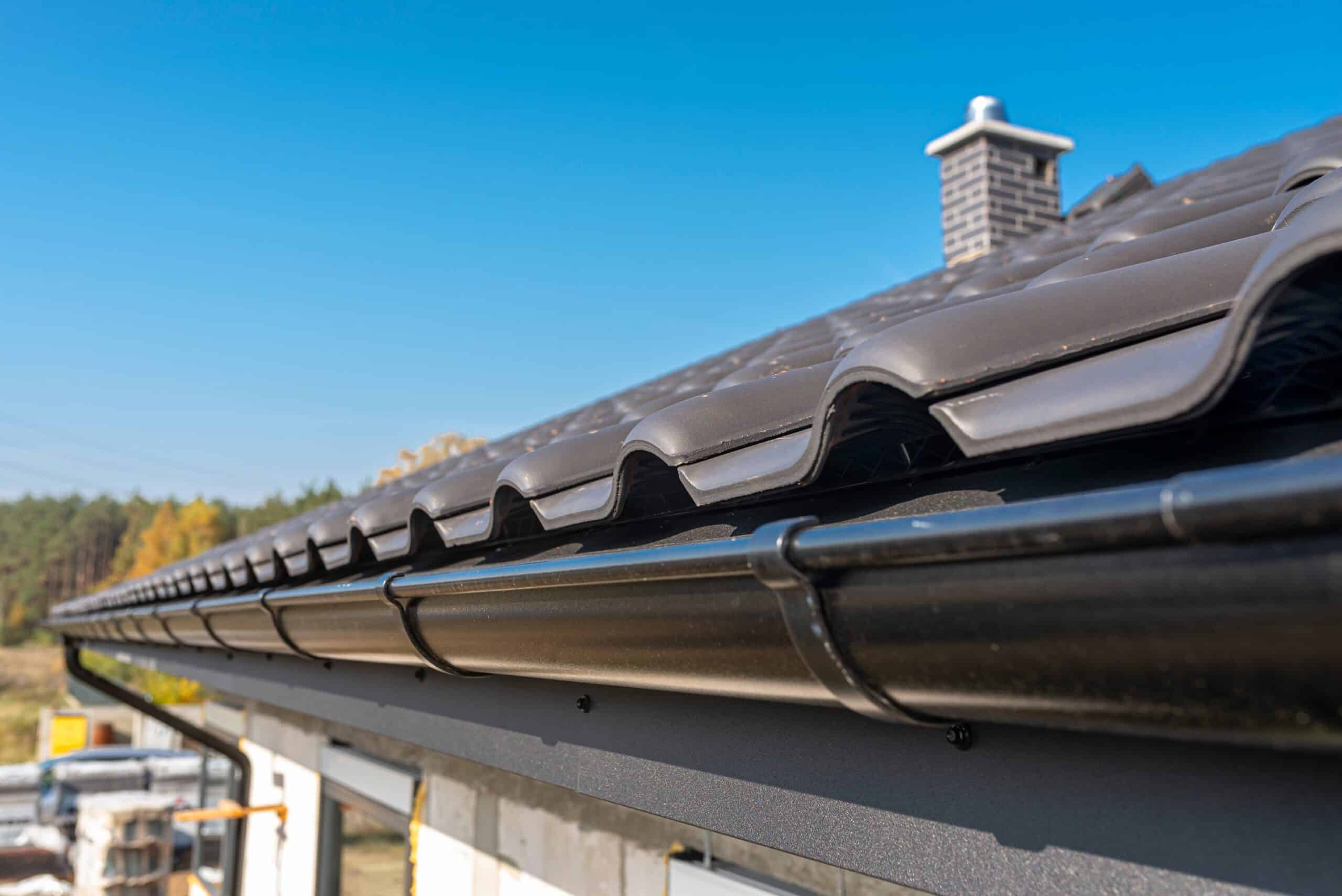
That pattern matters in this part of Florida. Central and North Florida deal with frequent warm-season thunderstorms, high humidity, and a wet-season rhythm that can turn an ordinary drainage weakness into a repeated problem. Summer rain can come fast, and tropical moisture only raises the stakes. A gutter system does not need to be hanging on the ground to cause trouble. A partial clog, a loose section, or a downspout that no longer carries water where it should can be enough to change how water moves around the home.
I have seen homeowners focus on the obvious symptom, usually the overflowing gutter, while the real cost shows up below. Once rain starts pouring over the front edge instead of traveling through the trough and downspout, the water lands hard in a concentrated strip. Over time, that can beat down soil, create ruts, splash dirt onto siding, and keep the gutter installation in Central Florida perimeter of the home too wet. In Belleview and nearby communities, where bursts of rain can be intense, those effects add up faster than many people expect.
Why gutters matter more than people think
A gutter system is basic, but it does an important job. It catches roof runoff and directs it to controlled discharge points. Without that control, all that roof water simply drops wherever gravity takes it. On a dry day, that may not seem like a big deal. During Florida’s rainy periods, it can change the whole drainage behavior of the lot.
The roof collects water across a large surface area. Even a moderate home can funnel a surprising amount of rain to the eaves during a storm. If the gutters are clogged with leaves, pine needles, acorns, or small limbs, the flow slows down or stops. If the gutters are damaged, sagging, or pulling away, water may overshoot the trough or collect unevenly and spill out at low spots.
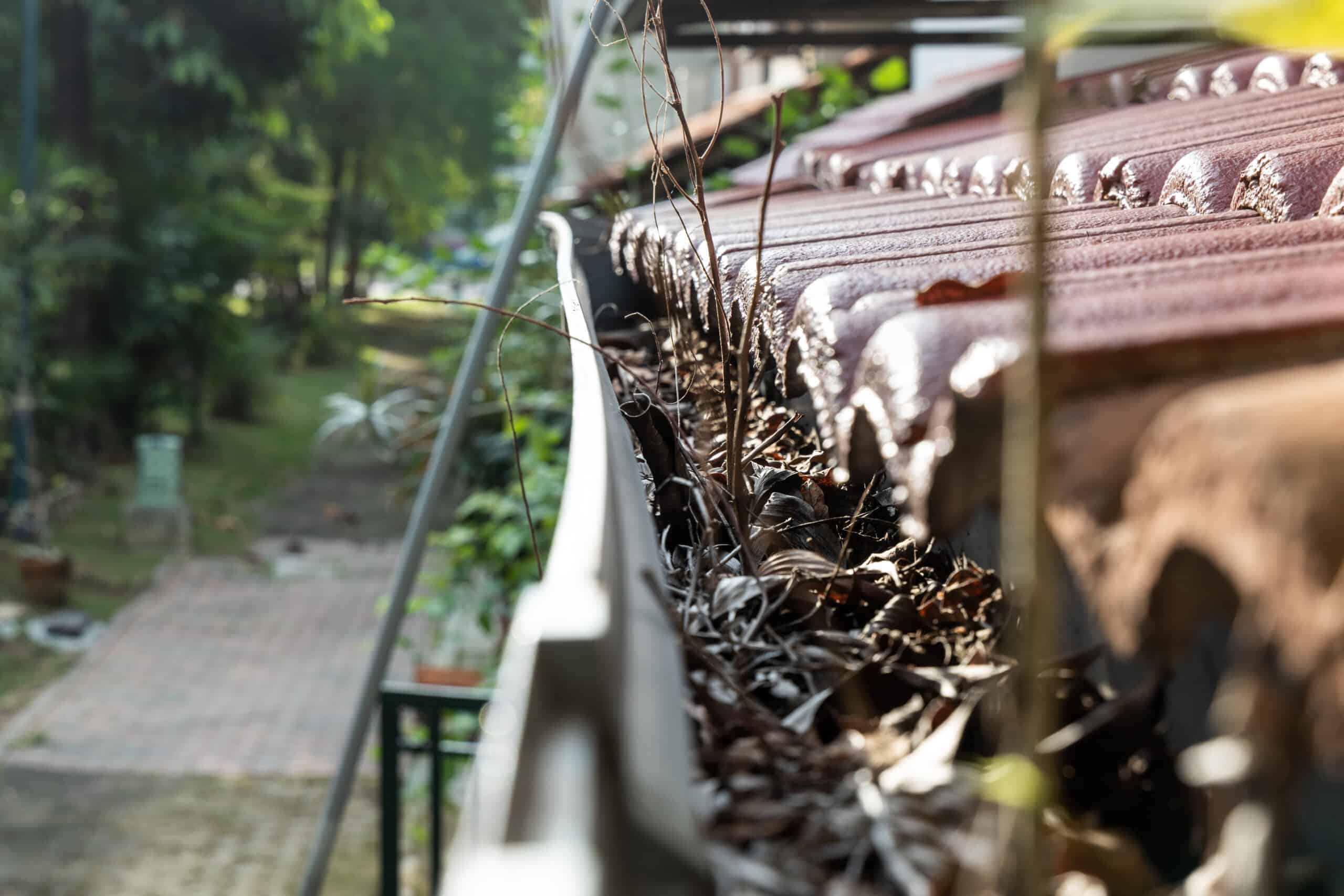
In Belleview-area neighborhoods, tree debris is often part of the story. Live oak leaves and acorns are common troublemakers, and pine needles are notorious for packing down into wet mats that restrict flow. Small branches and leaf fragments can move from the roof into the gutter runs, then wash into downspouts where they create stubborn blockages. That is one reason gutter maintenance Florida homeowners put off in spring often turns into emergency cleanup by late summer.
The first sign is often overflow, but the hidden issue is ground saturation
Most people notice gutters when water is visibly pouring over the side. What they do not always notice is what happens at the base of the wall. Repeated overflow sends water to the same narrow zones around the house. Instead of spreading out gradually or being directed away, the runoff pounds one section of soil over and over.
The result is often saturation near the foundation line. You may see bare spots where mulch has washed aside, trenches where water has cut through a bed, or puddling that lingers. On properties with flatter grades, the issue can be even more frustrating. Water does not need a dramatic slope problem to become a nuisance. Sometimes it only needs one corner of the house receiving far more runoff than the yard can absorb in a short time.
This is where a gutter issue turns into a drainage issue. Homeowners sometimes spend money refreshing landscape beds or adding soil after erosion, only to watch the same area wash out during the next storm. If the gutter system is clogged or broken, surface repairs alone rarely hold up.
Belleview’s rain pattern makes small failures more serious
Florida homeowners know rain is part of life, but the local weather pattern deserves respect. Warm-season thunderstorms are common, humidity stays high, and the wet season brings repeated episodes of heavy rainfall. A gutter that is merely “not perfect” in a drier climate may become a regular headache here.
That is especially true when a home sits under mature trees. One week, the gutters are mostly clear. Then a mix of oak leaves, pine needles, and seed debris lands on the roof. A storm arrives, the debris washes into the trough, and now the system is operating at half capacity. The next storm finishes the job by compacting that material into a dam. Once that happens, the gutter is no longer routing water, it is storing debris and forcing overflow.
Humidity also plays a role in how long moisture hangs around the home. When soil stays damp, splashback increases, organic debris decomposes in the gutter, and minor maintenance problems can become persistent ones. That is why routine gutter cleaning Leesburg FL homeowners ask for, and gutter cleaning and repair Ocala FL property owners often need after stormy stretches, tends to be less about appearance and more about preventing a drainage chain reaction.
What clogged gutters actually do to the ground around a house
When people picture bad gutters, they often picture a mess at roof level. The more expensive consequences are usually lower. Clogged gutters can affect drainage around a home in several practical ways:
- They concentrate roof runoff in the wrong places.
- They increase erosion at the drip line and around planting beds.
- They keep soil near the structure wetter for longer periods.
- They allow debris to wash into runoff paths and block drainage routes.
- They create repeated puddling in the same corners of the lot.
Those five effects often overlap. A clogged run over a front entry may dump water next to a walkway, where it scours mulch into the path, leaves a slick mess, and sends sediment toward the street. On another side of the house, a blocked downspout may force water backward until it spills at a joint, soaking one strip of soil every time it rains. Neither problem looks dramatic at first, but both can create long-term maintenance headaches.
There is also an environmental angle many homeowners overlook. Plant debris that gets carried into runoff paths does not just stay in the gutter line. It can move with stormwater and contribute to clogging elsewhere. Keeping leaves, pine needles, and small limbs out of drainage paths is part of responsible stormwater management, not just house upkeep.
Damaged gutters can be just as bad as clogged ones
A gutter does not need to be full of debris to fail. Damage changes water behavior too. A section that has come loose from the fascia may tilt enough to trap standing water. A joint may leak steadily during rain. A dented section can slow flow and collect debris faster. Even slight misalignment can keep water from moving toward the downspout the way it should.
I have seen homes where one damaged corner caused more drainage trouble than an entire run of leaf buildup elsewhere. Why? Because water follows the easiest path. If the gutter has a low spot or opening, that becomes the discharge point whether it is intended or not. Instead of exiting at the downspout, runoff may spill halfway down the wall line and saturate the same patch of ground every week.
This is where timely gutter repair Gainesville FL homeowners schedule can save a lot of aggravation. Small repairs tend to stay small when caught early. Leave them through a full rainy season, and the surrounding drainage issues often become the bigger project.
Seamless gutters help reduce weak points, but they are not maintenance-free
There is a reason so many homeowners ask about seamless systems. Traditional sectional gutters have more joints, and every joint is a potential trouble spot. A seamless setup reduces those connection points along the run, which can help with leakage and overall performance when properly installed.
That is why services such as seamless gutter installation Leesburg FL and seamless gutters Gainesville FL come up so often when homeowners are replacing older systems. The main benefit is not that seamless gutters magically eliminate every problem. It is that they reduce some of the common failure points that show up in sectional systems, especially where repeated rain exposure tests every seam.
Still, seamless does not mean maintenance-free. Pine needles, leaves, acorns, and roof grit can clog any gutter if enough debris gets in. A seamless gutter that is overloaded with organic material will overflow just like any other. Good design helps. Good upkeep still matters.
Gutter guards can help, but the right expectations matter
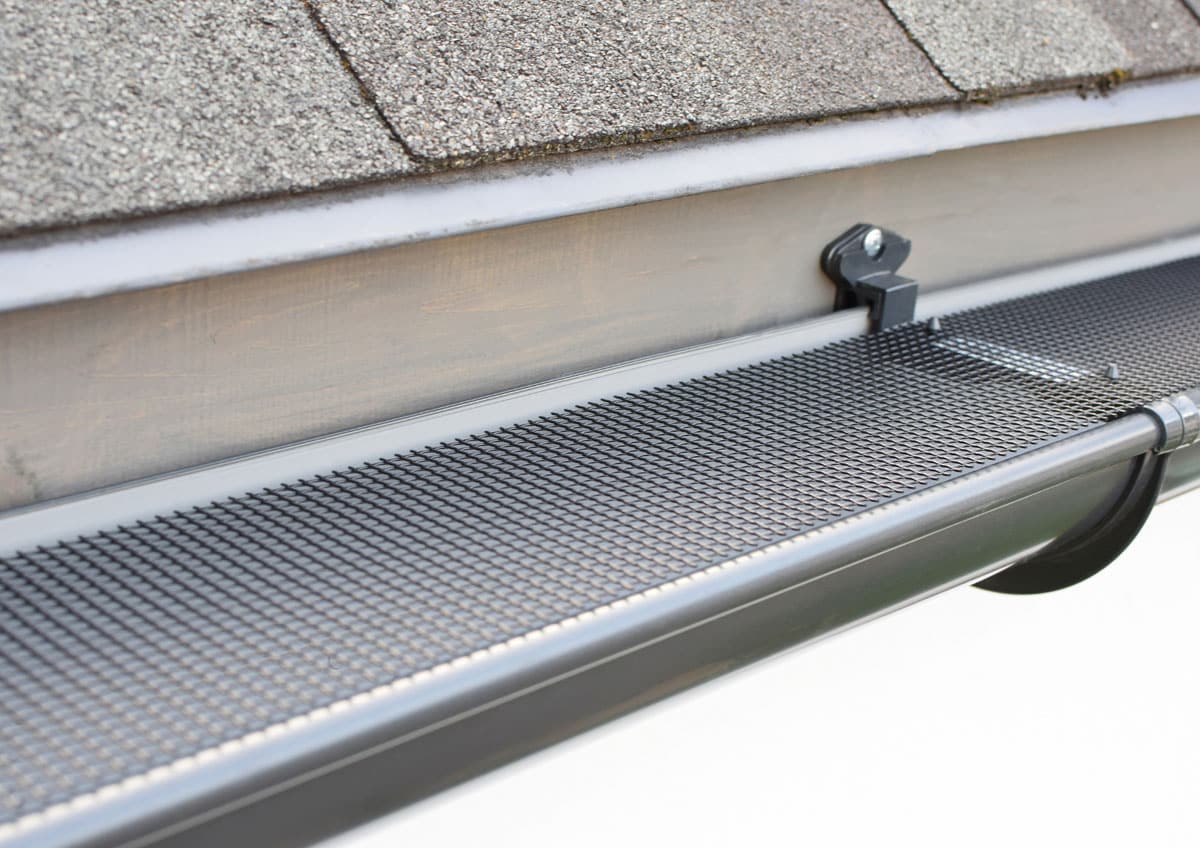
Gutter guards are useful, especially in tree-heavy settings, but they work best when homeowners understand what they can and cannot do. Different styles exist, including brush, foam insert, mesh screen, micro-mesh, PVC covers, and reverse-curve designs. Each has strengths and trade-offs depending on the type of debris the home gets and how intense the rain events are.
In areas with a lot of pine needles and small leaf fragments, fine screening may perform differently than a simpler cover designed mainly for larger debris. In homes surrounded by oaks, acorns can influence what style makes sense. That is why gutter guard installation Central Florida is not something I like to treat as one-size-fits-all. The right choice depends on roof layout, tree cover, and maintenance goals.
Homeowners searching for gutter guards Gainesville FL often want one simple promise: never clean the gutters again. That is not a realistic standard. Guards can reduce debris entry and cut down on cleanouts, but they do not make the system ignore gravity, roof grit, or every kind of organic buildup. In real-world conditions, they are part of a maintenance strategy, not a total replacement for inspection.
When matched well to the property, though, guards can make a visible difference. Less debris in the trough means more consistent flow during storms, fewer packed-down clogs, and less chance of water spilling over onto the soil below.
Drainage symptoms that often trace back to the gutter system
A lot of drainage complaints around homes sound like grading problems at first. Sometimes they are. Just as often, the gutter system is at least part of the cause. If the same area floods only after roof runoff is involved, that is a clue. If one side of the home stays noticeably wetter than the rest, that is another.
Here are a few signs worth paying attention to:
- Water spilling over the gutter edge during ordinary rain
- Soil trenches or washed-out mulch directly below the eaves
- Damp zones near the house that dry much slower than the rest of the yard
- Staining on fascia, soffits, or siding near gutter joints
- Visible plant debris packed in troughs or around downspout openings
The key is to connect the symptom to the source. A homeowner may replace mulch three times before noticing that the real issue is overflow from a clogged run above. Another may blame a low area in the lawn, when the larger problem is a damaged downspout dropping roof water in the wrong place every storm.
Why regular cleaning and inspection are worth it in Florida
In a climate with frequent rain, long gaps between inspections rarely pay off. A gutter can go from serviceable to problematic faster than people think, especially after debris-heavy periods or a stretch of summer storms. Regular checks help catch partial clogs before they become full blockages, and they also reveal structural issues that are easy to miss from the ground.
That is where routine service matters. Whether someone is looking for gutter cleaning Leesburg FL, gutter cleaning and repair Ocala FL, or broader gutter maintenance Florida support, the value is in consistency. You are not just removing leaves. You are confirming that water has a clear path from roof edge to discharge point, and that the hardware holding the system in place is still doing its job.
A good inspection also looks beyond the gutter itself. It asks practical questions. Is water exiting where it should? Is one corner of the yard taking a beating? Is debris collecting in a recurring trouble spot because of nearby tree cover? Those observations help prevent drainage issues instead of merely reacting to them.
Installation quality affects drainage as much as maintenance does
One truth homeowners learn the hard way is that not every gutter problem comes from neglect. Some start with design or installation choices that were not well matched to the house. A system can be new and still underperform if pitch, placement, or discharge planning is off. Water management is only as good as the path it is given.
That is why choosing an experienced gutter contractor Central Florida homeowners trust, or someone familiar with gutter installation North Florida conditions, matters more than people sometimes assume. Local weather patterns, heavy seasonal rain, and tree debris all shape how a system should perform. A contractor who works in this region understands that a setup has to handle real storm volume, not just look tidy on a dry day.
The same applies to communities like gutters The Villages FL projects, where aesthetics are important but performance still has to come first. A clean appearance is great. If water is overflowing at the corners every rainy week, appearance alone is not solving the problem.
One clogged corner can create months of cleanup
I remember a common scenario that plays out in many forms. A homeowner notices that one front bed near the entry keeps washing out. They add heavier mulch, edge the bed again, and even replace a few plants that struggled in the saturated soil. The real culprit turns out to be a downspout fed by a gutter corner packed with wet oak leaves and pine needles. During every storm, water bypasses the downspout opening and spills over the face of the gutter in one concentrated sheet.
Once that clog is removed and the flow path restored, the landscape suddenly has a chance. The bed still gets rain, of course, but it is no longer getting hammered by roof runoff in the wrong place. That kind of outcome is common. The drainage problem looked like a landscaping issue, but the gutter system was setting the terms.
What homeowners in the Belleview area should do next
If you have noticed erosion, splashback, soggy soil near the house, or gutters that overflow during routine storms, do not wait for a major weather event to force the issue. In this region, repeated moderate failures are often more revealing than one extreme storm. They show how the system behaves under normal local conditions, and that is exactly what determines whether drainage problems will keep coming back.
Start with a clear-eyed inspection. Look for debris buildup, loose or sagging sections, leaking joints, and downspouts that do not seem to be carrying water effectively. Pay attention to what is happening on the ground, not just at the roofline. The washed-out bed, the recurring puddle, and the muddy strip along the wall are often the best clues.
For some homes, a thorough cleaning and a few targeted repairs are enough. For others, replacement makes more sense, especially if the existing system has recurring leaks or design limitations. In tree-heavy areas, adding guards may reduce the maintenance burden and improve flow reliability, as long as expectations stay realistic.
The main point is simple. Gutters are not a minor trim detail. Around Belleview, they are part of the home’s drainage system. When they clog, leak, sag, or fail to direct runoff where it belongs, the ground around the house pays the price first. Keeping them working properly is one of the most practical ways to protect the perimeter of the home from avoidable water trouble.